

13 October 2026
What a pre-purchase inspection does not reveal
A pre-purchase inspection essentially answers the questions it was commissioned to answer.
A pre-purchase inspection is an excellent tool when acquiring an aircraft, but it is sometimes misunderstood. Because there is no single standard scope for this work, buyers often assume it covers more than what was actually agreed.
Many of the frustrations that follow an acquisition do not stem from a poorly performed inspection. They stem from an inspection performed well within a scope that was not carefully reviewed. Excluded items do not always appear in the report and, in many cases, only become apparent in the first maintenance invoices after delivery.
A pre-purchase inspection is not a standardized product
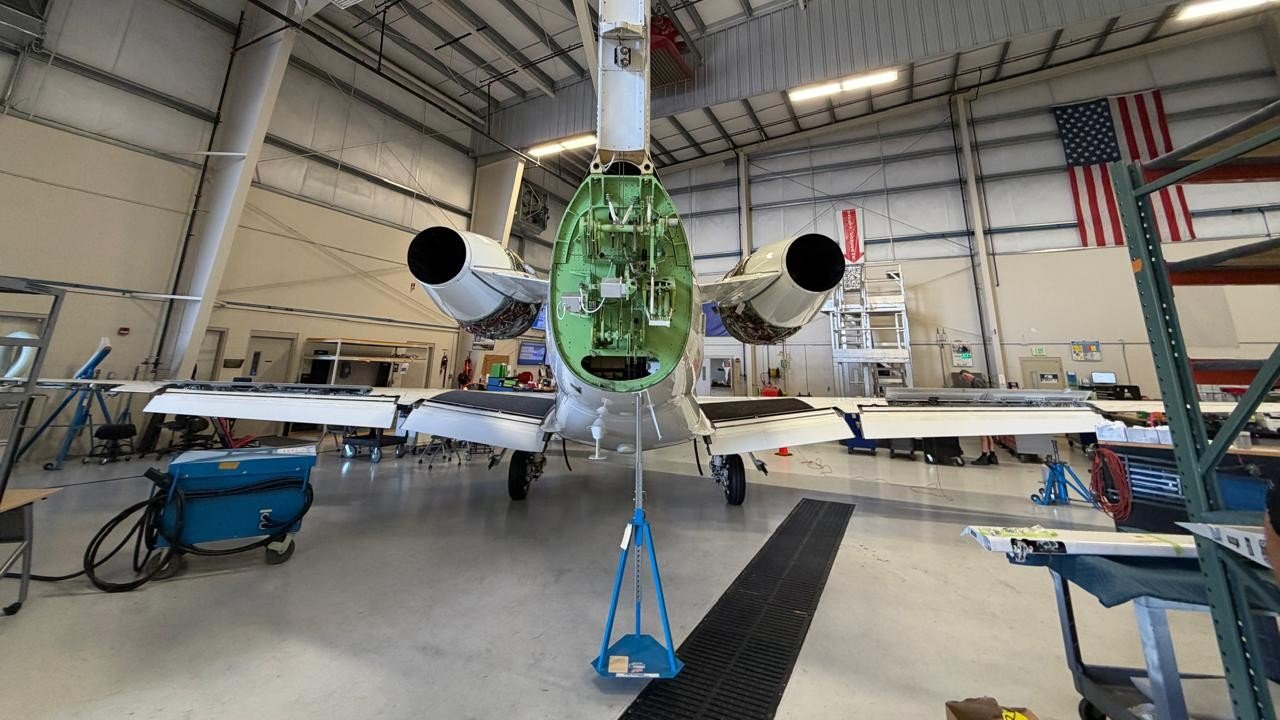
There is no single definition of what a pre-purchase inspection includes. The term can cover anything from a records review and visual inspection to extensive work involving open panels, engine borescope inspections and functional system tests.
The scope is a negotiated document and is often defined at the most pressured point in the process: after the letter of intent has been signed, with a deposit in escrow and a tight schedule.
The practical consequence is that the scope is often prepared superficially. Any subsequent expansion then becomes a negotiation over timing and additional cost.
The importance of an initial technical assessment
One way to approach this discussion with greater clarity is to conduct an initial technical assessment before the pre-purchase inspection, including a visual inspection and review of aircraft records. This preliminary assessment helps determine whether the aircraft’s overall condition and documentation justify proceeding with the transaction. It can prevent the buyer from unnecessarily advancing to a more expensive and time-consuming stage. The findings also help define the pre-purchase scope, indicating where deeper inspection is warranted, which areas should be opened and which records need closer examination.
Current condition and history over time are different things
The physical inspection describes the aircraft’s condition on the day it was examined. Its records describe how it reached that condition, and that difference is where much of the risk lies.
An airframe may look excellent while still having gaps in traceability, repairs without documentation of approved data, repeatedly deferred discrepancies or inspection intervals that have been extended more than once. The records review therefore deserves the same rigor as the physical inspection. It must be performed by someone looking for patterns in the aircraft’s operation, rather than merely checking off completed items.
Airworthy does not necessarily mean a good purchase
This is the point most likely to cause a surprise after delivery.
The inspection checks whether the aircraft meets the standard required for operation. It is not designed to establish the remaining service life of expensive items, such as time remaining to engine overhaul, landing gear overhaul intervals, remaining cycles on life-limited components, or the condition of paint and interior. These are economic considerations, but not necessarily airworthiness issues.
An aircraft may be fully compliant yet face several significant maintenance events during its first two years of operation. This is pricing information and must be analyzed before the purchase agreement is signed.
How discrepancies are classified determines where the money goes
The inspection produces a list of discrepancies. Responsibility for paying for each item is defined by the purchase agreement, which typically assigns airworthiness items to the seller and the inspection itself and other items considered “cosmetic” to the buyer. If the contract does not precisely define who pays for what, discussions after the inspection, under time pressure, can become contentious and may even lead to a breakdown of the agreement.
Corrosion and repairs require specific attention
A visual inspection covers accessible areas. Corrosion, however, can develop where no one looks: hard-to-reach areas, interfaces between dissimilar materials and areas prone to moisture accumulation. Aircraft with a history of coastal basing or long periods of inactivity warrant a deliberate expansion of the inspection scope in these areas, even if it takes additional time.
Previous repairs require a two-level review. The first is whether the repair remains sound. The second, more important question is whether documentation demonstrates that it followed approved data. A well-executed repair without adequate documentation may create acceptance difficulties at a future resale, even if its physical condition is good.
Other factors a pre-purchase inspection does not reveal
Other factors may not be revealed by the pre-purchase inspection but should be carefully analyzed before signing the contract: Does the engine program provide 100% coverage, or will a payment be due at a major inspection? Does the aircraft have all the equipment needed to operate in the country in the short and medium term? Are any updates or upgrades required?
Our position
We recommend that a technician representing the buyer conduct an initial assessment of the aircraft and its records before the contract is signed, to evaluate its overall condition and areas of concern and avoid surprises or unnecessary risks.
We treat the inspection scope as part of the negotiation, rather than a subsequent step. The contract must precisely define the boundary between airworthiness and “cosmetic” items and identify findings that would justify the buyer rejecting the aircraft.
We require the inspecting organization to be independent and technical oversight on site on behalf of the buyer. We regard the records review as an important part of the work because it reveals the previous operator’s practices over the years and may also affect the aircraft’s resale value.
What we will not accept: partial access to records, refusal to expand the scope in areas warranted by the aircraft’s history, or an inspection conducted without technical representation for the buyer. These are disqualifying criteria.
A well-conducted pre-purchase inspection does not eliminate every surprise, but it mitigates many risks and greatly increases the likelihood of a successful purchase.
Share:


Search