
13 October 2026
Safety cannot be measured by the year of manufacture alone
Age alone does not determine safety. The determining factors are maintenance history, compliance with airworthiness directives, avionics generation and crew training. For example, a 2010 aircraft with complete records and updated avionics may be safer than a 2020 aircraft with incomplete documentation.

The question “Is a newer aircraft safer?” comes up in almost every first acquisition. It is a legitimate question, but the intuitive answer may be incorrect for several reasons:
Structural aging must be considered alongside maintenance
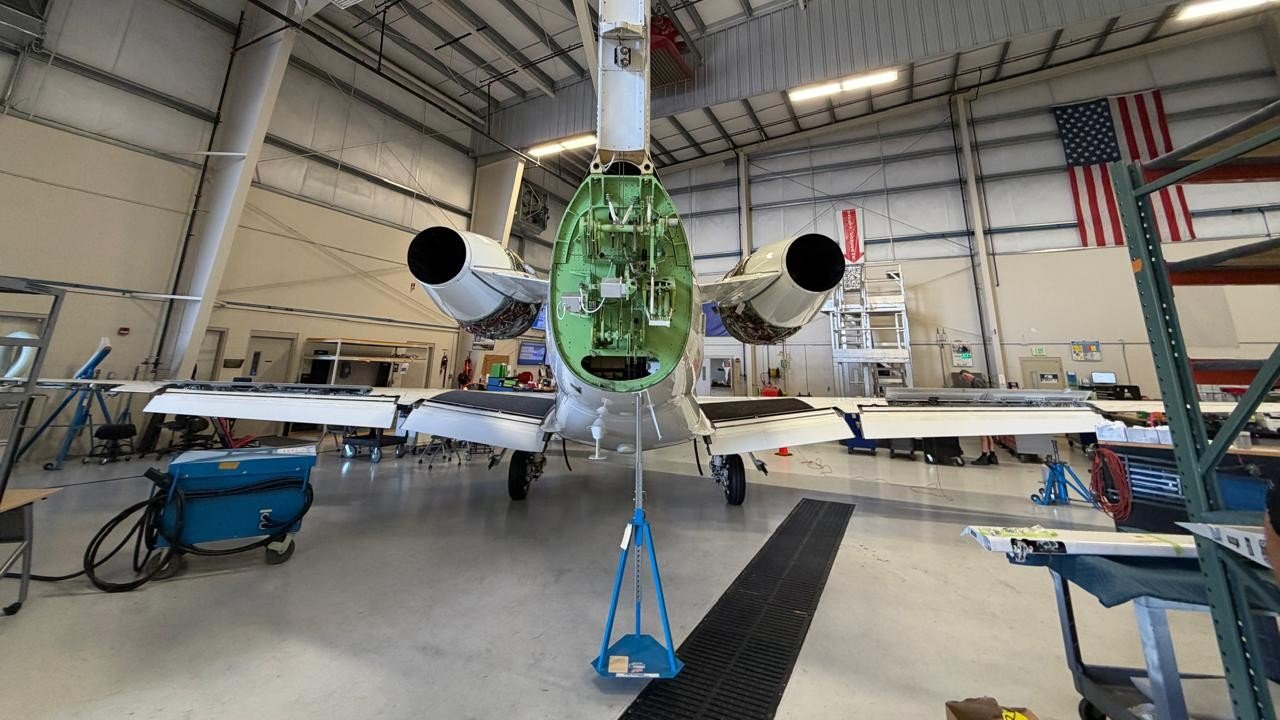
An aircraft’s design does not assume that its structure will remain intact indefinitely. It assumes that cracks will develop, corrosion will appear and riveted joints will accumulate fatigue, and establishes inspection intervals calculated to detect each condition long before it becomes critical.
This means that the structural integrity of a 20-year-old aircraft is not an unknown. It is monitored through flight-hour and cycle limits, mandatory inspections of specific structural areas and manufacturer-defined repair criteria.
The real question, therefore, is not the structure’s age, but whether the maintenance program has been followed and whether documentation exists to prove it.
The reliability curve does not begin at its best point
Complex systems tend to have lower reliability at the beginning and end of their service lives and higher reliability in between. A newly certified model accumulates service bulletins and airworthiness directives during the fleet’s first years of operation because certain behaviors only become apparent after thousands of actual operating hours.
A mature airframe has already passed through this period. Design issues have been identified, bulletins issued and corrections incorporated. Someone buying an aircraft introduced 10 or 15 years ago is buying a design refined through accumulated operational experience. Someone buying a newly introduced model is not.
This does not make a new aircraft unsafe. It simply makes the assumption “newer, therefore more reliable” imprecise.
Avionics generation is a very important factor, and it is not synonymous with age
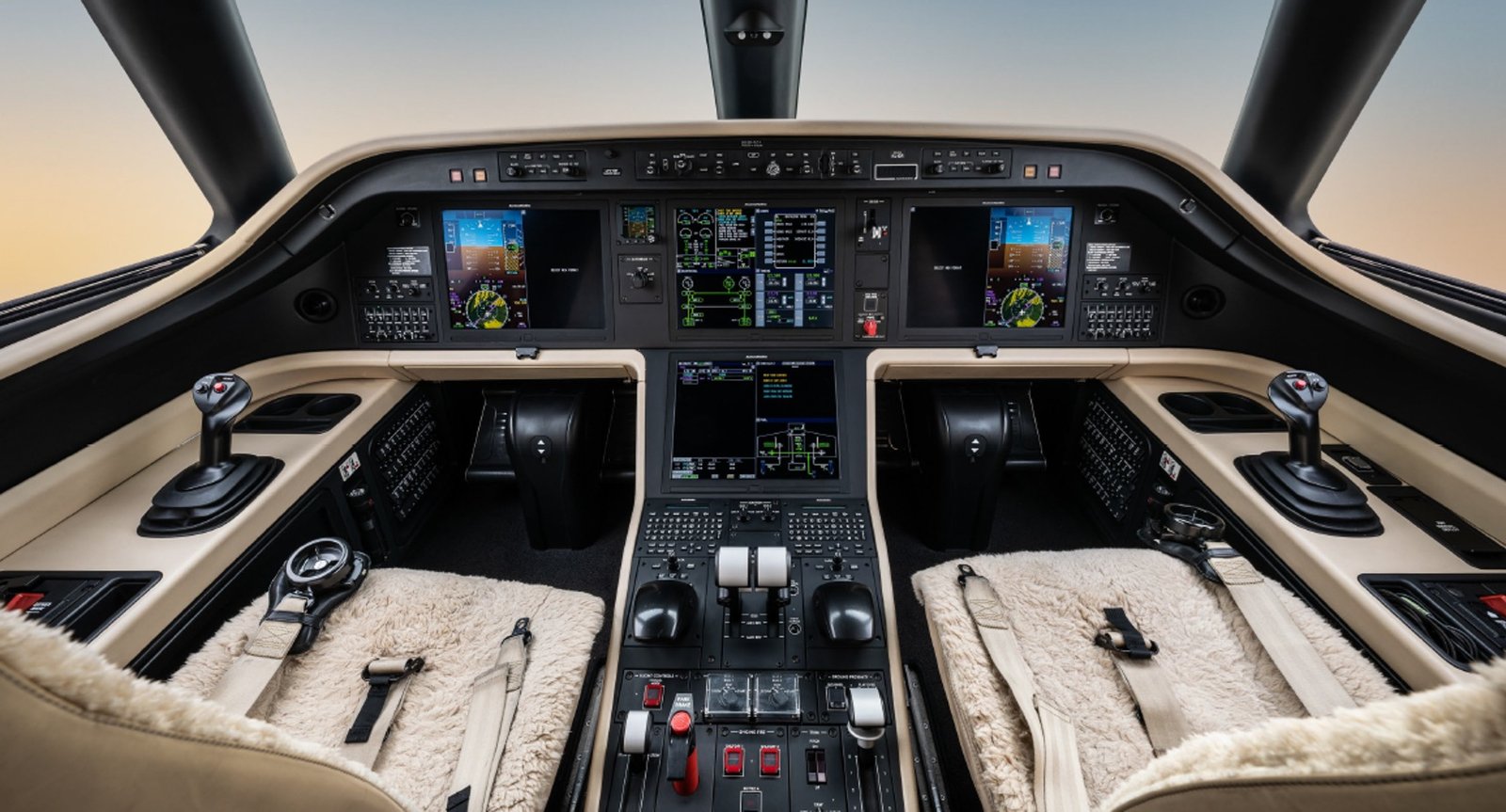
The advances that have materially changed business aviation’s accident record over the past three decades have involved cockpit and avionics technology rather than structures: terrain awareness and warning, runway situational awareness, flight-envelope protection, synthetic vision and automated thrust management.
Here is the point that can change a purchase decision: almost all of this technology can be retrofitted.
A 2006 aircraft with an upgraded avionics suite may have a safer cockpit than a 2016 aircraft with its original factory equipment. This is not hypothetical. Such configurations frequently appear on the market and are overlooked by buyers who filter listings by year of manufacture.
The dominant factor is not in the aircraft itself
Business aviation occurrences are dominated by human and operational factors: loss of control in flight, runway excursions, unstabilized approaches and controlled flight into terrain. Primary structural failure in an aircraft maintained under a regular maintenance program is rare.
There is also a secondary effect that can work against a new aircraft: more automated cockpits can introduce risks of their own when crews do not transition properly to newer technology. Mode confusion and automation dependency are documented phenomena that affect the most technically advanced aircraft.
Recurrent crew training and the operator’s procedural discipline have a greater impact on operational safety than a 10-year age difference between two airframes.
What really distinguishes two aircraft
When comparing two aircraft of the same model, age is the least informative criterion available. The criteria that matter are:
Completeness of records. Continuous traceability from delivery, with no gaps in time or operator history.
Damage history and how repairs were performed. A properly executed repair documented in accordance with approved data does not compromise the aircraft. An undocumented repair may do so, including its resale value.
Airworthiness directive and service bulletin status. Current compliance, supported by evidence. Optional bulletins relevant to safety also matter.
Crew training and human factors. An operation focused on safety, with recurrent training for crews and operators and carefully designed procedures, directly influences its safety performance.
Operating environment. Coastal basing, intensive use in environments conducive to deterioration and long periods of inactivity leave specific signs that require particularly careful examination during inspection.
Our position
We do not assess safety by year of manufacture, and we recommend that buyers do not either.
Given a choice between a newer airframe with inconsistent documentation and an older one with complete records, updated avionics and a sound operational history, we choose the latter without compromising safety.
What we will not accept at any age: gaps in records, repairs without approval documentation, outstanding directives without a compliance plan, or engines outside maintenance programs with unclear histories. These are disqualifying criteria. Aircraft age is not.
The right question was never how old the aircraft is. It is what the aircraft can prove about those years.
Share:


Search